
Collaborative Projects
Explore some case studies showcasing the established connections and collaborative work between the eight member universities.

Sea Ports and Security
While Europe’s southern sea borders have been heavily scrutinised – very little is known about how circulation and security are reconciled within ‘minor’ northern European sea borders. This project will address this gap by investigating the UK sea port as a problem of security and a contested matter of identity. This project is led by the University of York in partnership with the University of Oslo.

Geen Shift Work
Labour markets vary between places, operating and performing differently based on their industrial histories and employment and skills profiles. As such, our project seeks to better integrate localities and regions, labour markets and working lives as central elements within green shift, rather than merely as outcomes of this transition. We will explore the regional skills ecosystem concept in Oil & Gas specialised regions. The GSW is led by NTNU and includes Newcastle University/CURDS (UK), FAFO and SINTEF DIGETAL
Cultural Heritage 360
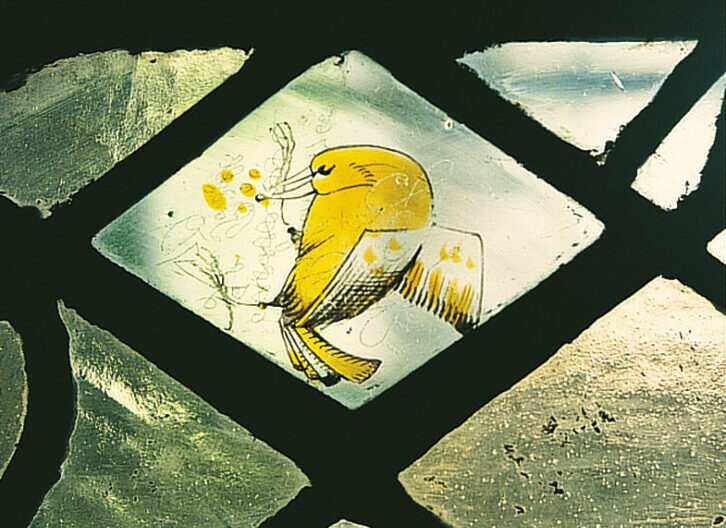
Cultural Heritage 360 scopes the potential for Arts and Humanities-led interdisciplinary research, embracing sciences and social sciences, into cultural heritage and its record, that is, artefacts, widely conceived, from manuscripts to ceramics and textiles to sculpture. The project is led by academics from a wide variety of disciplines across sciences, social sciences, and arts and humanities. Based at Durham University, UK with partners at the universities of York, Oxford, Oslo, and Texas A&M.
The Future Arctic Law and Governance
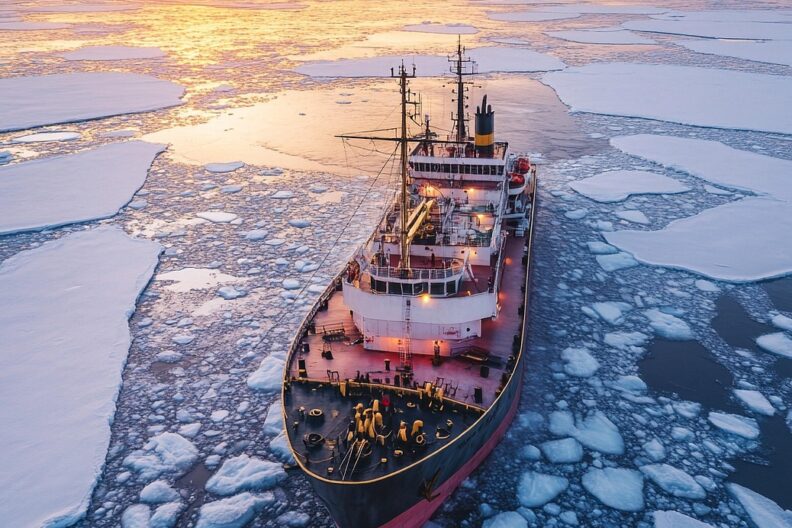
The Future Arctic Law and Governance (FALG) project aims to develop and operate a strong international network to promote research and collaboration related to the future legal management and governance of the sea areas in the Arctic. The Arctic University of Norway (UiT) with project partners Dalhousie University, Centre for Climate Change Law and Governance (CLIMA), University of Copenhagen, Univeristy of Rome II “Tor Vergata”, Durham University, FNI, Arctic Center, University of Lapland.
Losing their Cool
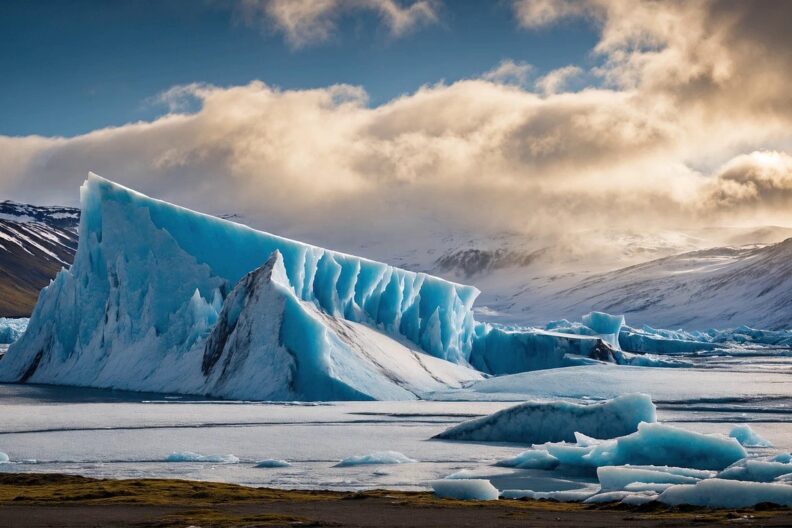
The overarching aim of Losing their Cool (LtC) is to investigate the physical interactions between the atmosphere and the glacier surface at high-elevation (>6,000 m a.s.l.), providing insight into the snow and firn processes that prescribe Himalayan ice temperatures for the first time. This project is lead by the University of Leeds, with partners University of Aberystwyth, University of Bergen and Uppsala University

Modelling Inherited Metabolic Diseases
The project aims to speed up the diagnosis and improve the personalised care of people with inherited metabolic diseases (IMDs). By combining advanced technologies, the project will create tailored profiles for individual patients, helping doctors make faster, more accurate decisions about their treatment. The project is coordinated by the University of Galway collaborating with with Oslo University and Newcastle University.