
NSUP NEWS
North Sea University Partnership Strengthens Collaboration for a Sustainable Future
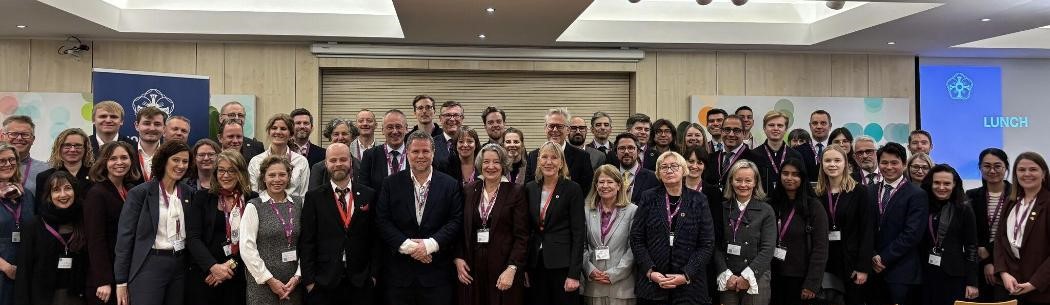
The North Sea University Partnership (NSUP), a consortium of eight universities in Norway and the UK, held its inaugural conference in Brussels on 20–21 November 2025.
The event gathered academics, policymakers, diplomats and industry leaders to explore how the North Sea can drive Europe’s green transition while maintaining energy security and safeguarding marine ecosystems.
This first conference represents an important milestone for NSUP. The partnership aims to advance cross-disciplinary research and educational collaboration that addresses shared challenges across the North Sea region. A position paper was presented and submitted to the European Commission, emphasising the need for coordinated, cross-border approaches to sustainability.
The conference opened with remarks from senior leadership at the University of Bergen and Durham University, NSUP’s coordinating institution, alongside the Norwegian and UK ambassadors to the EU.
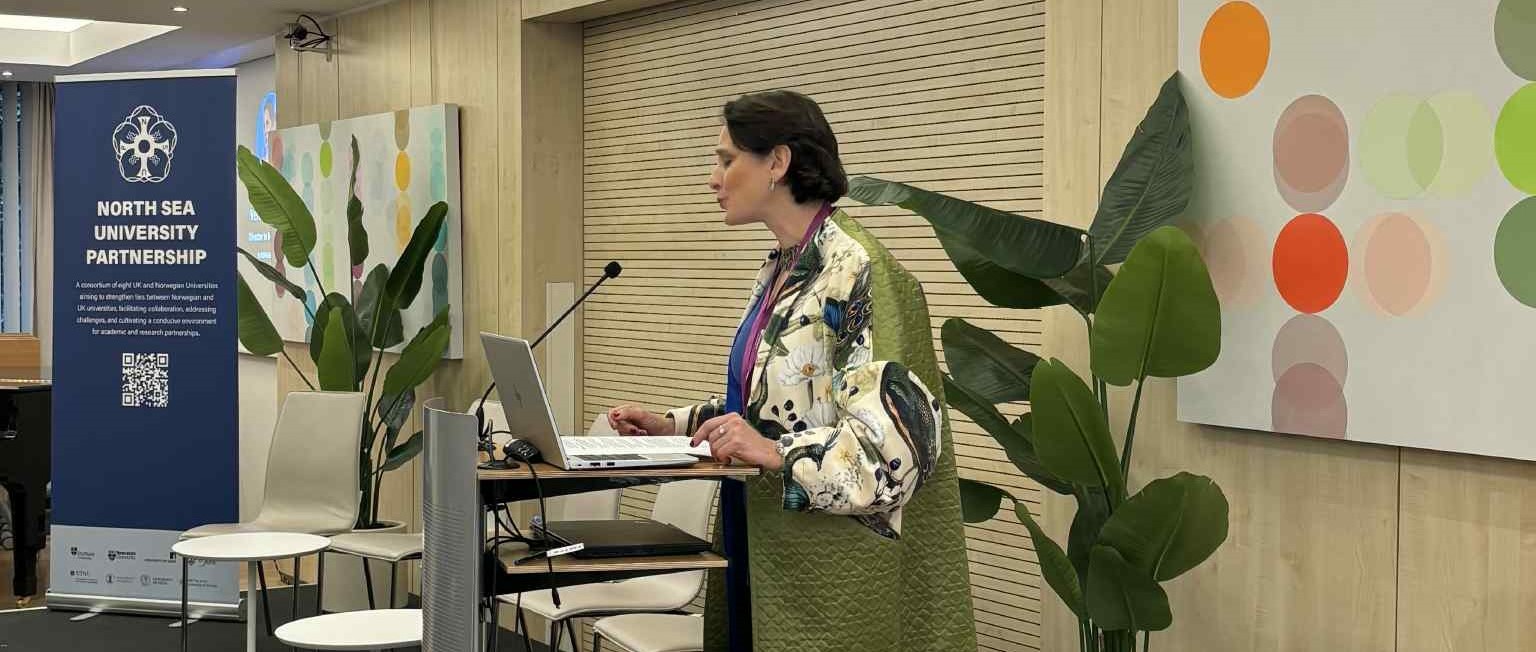
This was followed by a keynote speech from Veronica Manfredi, Director in DG Environment at the European Commission, who highlighted the essential role of coastal communities in enabling a just and effective green transition.
A panel discussion featuring leaders from three NSUP institutions examined opportunities for deeper collaboration in research and innovation. This set the stage for three thematic sessions involving academics from all eight partner universities, as well as representatives from industry, the European Commission and NATO.
The North Sea offers a unique environment to test solutions that balance energy transition, biodiversity, security, and cultural heritage.
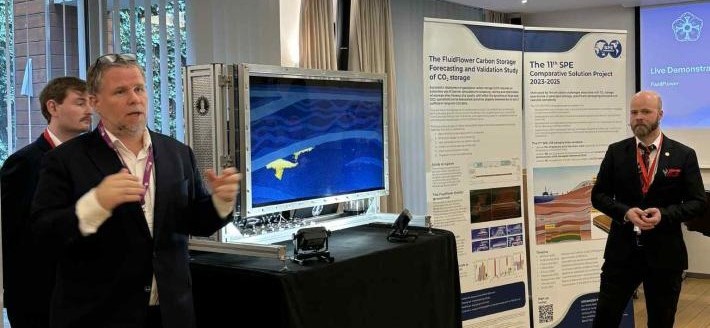
Participants also attended a live demonstration of the FluidFlower model, illustrating how CO₂ behaves when stored in porous rock beneath the seabed, demonstrating how NSUP research can inform policy, industry practice, and public understanding.
Key Messages and Insights
- The North Sea as a ‘living laboratory‘ The region provides an unparalleled setting for developing interdisciplinary solutions that combine renewable energy, marine protection, climate action and societal needs.
- Social sciences and humanities are integral Transition pathways must incorporate social acceptance, cultural heritage and community perspectives from the outset. Balancing renewable energy development with environmental and cultural values is essential.
- Resilience and security are central to future energy systems Energy transition requires close cooperation between energy, environment, security and societal actors. Resilience is shaped not only by technology but by public trust, expectations and behaviour.
- Regulations must evolve to keep pace Fragmented governance and complex regulatory frameworks remain barriers to rapid transition. Integrated marine spatial planning and streamlined policy coordination are needed to meet climate and sustainability commitments.
Looking Ahead
Energy transition is the first of NSUP’s four strategic themes, alongside cultural heritage, the Arctic and health. Work across these areas will continue to build stronger links between UK and Norwegian institutions, supporting research that advances sustainable and resilient futures for the North Sea region.
To further stimulate collaborative projects, NSUP will launch a joint seed-funding call in early 2026, encouraging interdisciplinary teams from across the consortium to develop new research initiatives aligned with the partnership’s priorities.